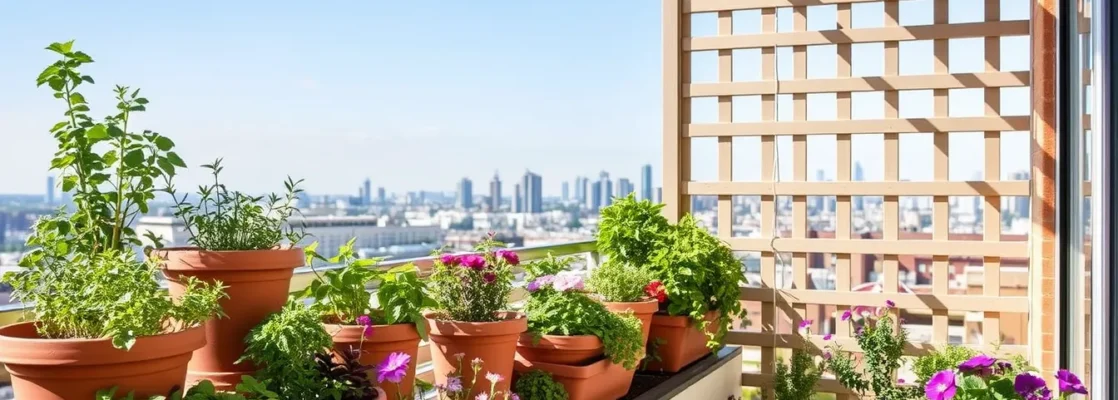
If you have a small, elevated outdoor space, a balcony container garden is a practical way to grow fresh produce or flowers. This guide focuses specifically on the unique challenges of gardening in these limited, often windy environments, providing actionable steps for success.
You will learn how to assess your specific balcony conditions, select appropriate containers and soil that manage weight and drainage, and choose plants suited to restricted space. The content addresses critical factors like wind protection and sun exposure, ensuring your setup remains functional and productive despite the constraints of an elevated location.
Assessing Your Balcony’s Conditions
Begin by mapping out the light that reaches your balcony. Stand at different times of day—morning, noon, and late afternoon—and note how many hours of direct sun you can capture. A sunny spot that receives 6–8 hours is ideal for most herbs and leafy greens, while a shaded area might suit leafy greens or succulents that thrive in partial shade. Next, assess wind exposure. Place a lightweight piece of paper or a small flag on the balcony; if it flutters vigorously, the wind is strong and may damage fragile plants or dry out soil quickly. Mark the windward side and consider using lightweight lattice or a trellis to break the flow.
Measure the usable area by tracing the perimeter of the balcony floor with a string or tape measure. Record the total square footage, then subtract space needed for a walkway and any furniture you plan to keep. This will guide how many containers you can fit comfortably. Finally, check the load limit with your building management. Ask whether the balcony can support the combined weight of pots, soil, and water—often the limit is around 50 kg per square meter. Knowing the weight capacity ensures you choose lightweight containers or add a drainage tray to keep the load within safe limits.
Orientation matters: a south‑facing balcony offers the longest sun exposure, ideal for heat‑tolerant species; an east or west orientation provides morning or afternoon light, suitable for plants that prefer moderate warmth; a north side receives the least sun, best for shade‑tolerant herbs or ornamental grasses. Use this information to match plant choices with the light your balcony provides.
Choosing the Right Containers and Soil
When you choose containers for a balcony, weight and temperature are the two biggest constraints. Lightweight plastic pots are easy to move and stay within typical balcony load limits, but they can heat up quickly in direct sun, potentially stressing roots. Ceramic containers add visual appeal and retain moisture better, yet they are heavy and may require reinforcement if you have a small railing. Fabric grow‑bags are ultra‑light and allow air to circulate around the root zone, reducing heat buildup, but they may need a sturdy frame to keep their shape.
Regardless of material, every container must have adequate drainage holes. Without them, excess water pools, roots suffocate, and the risk of fungal problems rises. If the pot’s design limits hole size, drill additional openings or add a layer of coarse gravel at the bottom.
For the growing medium, a well‑balanced potting mix outperforms garden soil. Potting mix is engineered to be lightweight, airy, and free of compacted particles, which promotes healthy root development in confined spaces. Adding a thin drainage layer—such as shredded clay, perlite, or small stones—below the mix further ensures water moves away from the roots while still holding enough moisture for the plant.
Selecting Plants for Limited Space
To keep your container garden productive on a balcony, match plants to the available sun exposure and the limited square footage. For sunny spots (6‑8 hours), choose compact varieties such as cherry tomatoes, dwarf peppers, and bush beans. In partial shade (3‑5 hours), opt for leafy greens like baby kale, arugula, and Swiss chard, which stay small and thrive without full sun.
Herbs are naturally space‑saving; consider dwarf basil, thyme, and cilantro that stay under 12 inches tall. For flowers that add color without crowding, look for petunias, marigolds, or dwarf nasturtiums, all of which have shallow root systems.
Companion planting lets you stack functions in the same pot or adjacent containers. Pair fast‑growing lettuce with slower‑maturing carrots so the lettuce shades the carrots’ seedlings, reducing weed pressure. Mix basil with tomatoes to improve flavor and deter pests, while keeping each plant’s mature size in mind.
Vertical space is a valuable ally. Install a small trellis or a tiered pocket system on the balcony railing; train dwarf beans, peas, or trailing varieties of strawberries to climb. Hanging baskets work well for strawberries, herbs, or trailing petunias, turning overhead area into productive planting zones without adding extra weight to the balcony floor.
Managing Water and Nutrients
Container soil behaves differently than ground soil. With limited volume, roots reach the edges quickly, causing moisture to evaporate rapidly from the sides and bottom. This means plants on a balcony often need watering more frequently, sometimes twice daily during peak summer heat. Check the top inch of soil; if it feels dry, water thoroughly until liquid drains from the bottom. Smaller pots dry out fastest, while larger containers retain moisture longer, reducing the frequency of watering needed.
Nutrient management requires a different approach than in-ground gardening. Because water flushes through the drainage holes, essential minerals wash away with each watering. Instead of relying on slow-release ground amendments, use liquid or granular balanced fertilizer. Apply these in small, regular doses following the product instructions to maintain steady nutrient levels without overwhelming delicate roots.
Salt buildup is a common issue in confined spaces. Over time, fertilizers and tap water can leave mineral residues that accumulate in the potting mix. This can burn roots and stunt growth. To prevent this, flush your containers periodically by running generous amounts of water through the soil, allowing excess salts to drain out. Monitor plant health closely; yellowing leaves or stunted growth may signal nutrient imbalance or salt toxicity, requiring immediate adjustment to your feeding routine.
Protecting Your Garden from Wind and Weather
Wind is the primary threat to balcony container gardens. Elevated spaces act as wind tunnels, drying out soil rapidly and snapping tender stems. Start by assessing your balcony’s exposure. If it faces an open street or high-rise gap, you need physical barriers. Install sturdy mesh screens or lattice panels on the windward side to break the airflow without blocking sunlight. Alternatively, use taller, hardy plants like bamboo or ornamental grasses as living windbreaks, provided their root systems are stable.
Securing your containers is equally critical. Lightweight pots tip easily in gusts, spilling soil and breaking stems. Choose heavier materials like ceramic or concrete for larger plants. For lighter plastic or terracotta pots, anchor them using bungee cords tied to railings or heavy stones placed in the base. Ensure all drainage holes remain clear so water can escape after rain, preventing waterlogged roots.
For early or late season planting, frost poses a secondary risk. Balconies sit closer to the ground than upper floors, making them susceptible to cold air drainage. Use frost cloth or bubble wrap to insulate pots during cold snaps. Move sensitive annuals indoors or to a sheltered porch overnight when temperatures drop sharply. Combining wind protection with frost management ensures your plants survive the volatile microclimate of an elevated outdoor space.
Common Mistakes to Avoid
Even with careful planning, a few common missteps can still undermine your balcony garden’s success. Watch for these pitfalls and address them early.
- Overwatering from inadequate drainage: If pots lack proper drainage holes or the soil remains soggy, roots can rot, stunting growth or killing plants. Use lightweight, well‑drained potting mixes and ensure every container has at least one outlet for excess water.
- Choosing plants too large for the pot: A plant that outgrows its container will become root‑bound, limiting water and nutrient uptake. Measure the mature size of a species and match it to a pot that offers at least 2–3 inches of headspace above the soil line.
- Ignoring pest control in confined spaces: Small, enclosed containers can trap insects and fungal spores. Inspect new plants for signs of aphids, mealybugs, or powdery mildew, and treat promptly with a diluted neem oil or insecticidal soap.
- Neglecting pot rotation: Static placement exposes one side of a plant to more sun or wind, causing uneven growth. Rotate pots every 2–3 weeks to promote balanced development and reduce stress.
By spotting these mistakes early, you’ll keep your balcony garden thriving and reduce the need for corrective measures later.